

SARETI PhD About
The SARETI research ethics doctoral programme builds on and extends the achievements of the UKZN SARETI Masters in Health Research Ethics programmes, which have been run with FIC/NIH funding since 2002. The SARETI faculty has advanced and high-level expertise in practising, teaching and researching research ethics, philosophy, bioethics, medicine, paediatrics, public health, international and African bioethics, HIV medicine, psychology, research methodology and data analysis, social science, law and human rights.
The PhD programme offers comprehensive advanced doctoral-level training in research ethics for six to eight candidates from research-intensive institutions in Africa holding at least a master’s degree in research ethics or bioethics, or in exceptional cases, candidates with qualifications deemed to be equivalent to substantial publications in research ethics.
Our cohort of highly qualified African ethicists will produce original locally and internationally relevant scholarship and leadership in research ethics in Africa, using globally accepted guidelines and practices towards health research ethics.
This programme will train African candidates who have interests compatible with one or more of the following three themes:
- Improving health research systems in Africa through research ethics leadership
- Improving effectiveness and efficiency of ethics review systems through research ethics leadership
- Maximising social value of research in Africa through research ethics leadership
Candidates are selected through a two-part virtual and in-person selection process (COVID-19 permitting). The top 10 to 14 candidates are identified through a paper-based process and are invited to join a six-week intensive workshop and selection process. Final candidates are competitively selected on several criteria, including their performance and presentations during this period and excellence of their draft PhD research proposal by week six. The six-week selection process will include visits to leading local NIH-funded HIV/TB research sites (CAPRISA, HPP, KRISP, HAVEG, DTTC, FAMCRU), where candidates will be exposed to cutting-edge health research and their associated ethical issues, to assist candidates in selecting PhD research topics that are maximally relevant to the three programme themes, current health research in the region and alignment with the mission of the NIH. This exposure will be followed by several short advanced workshops, including a primer on qualitative and quantitative research methodology offered by methodology experts, and advanced research ethics workshops on the major themes that will be a thematic focus of this programme, offered by relevant members of the SARETI faculty.
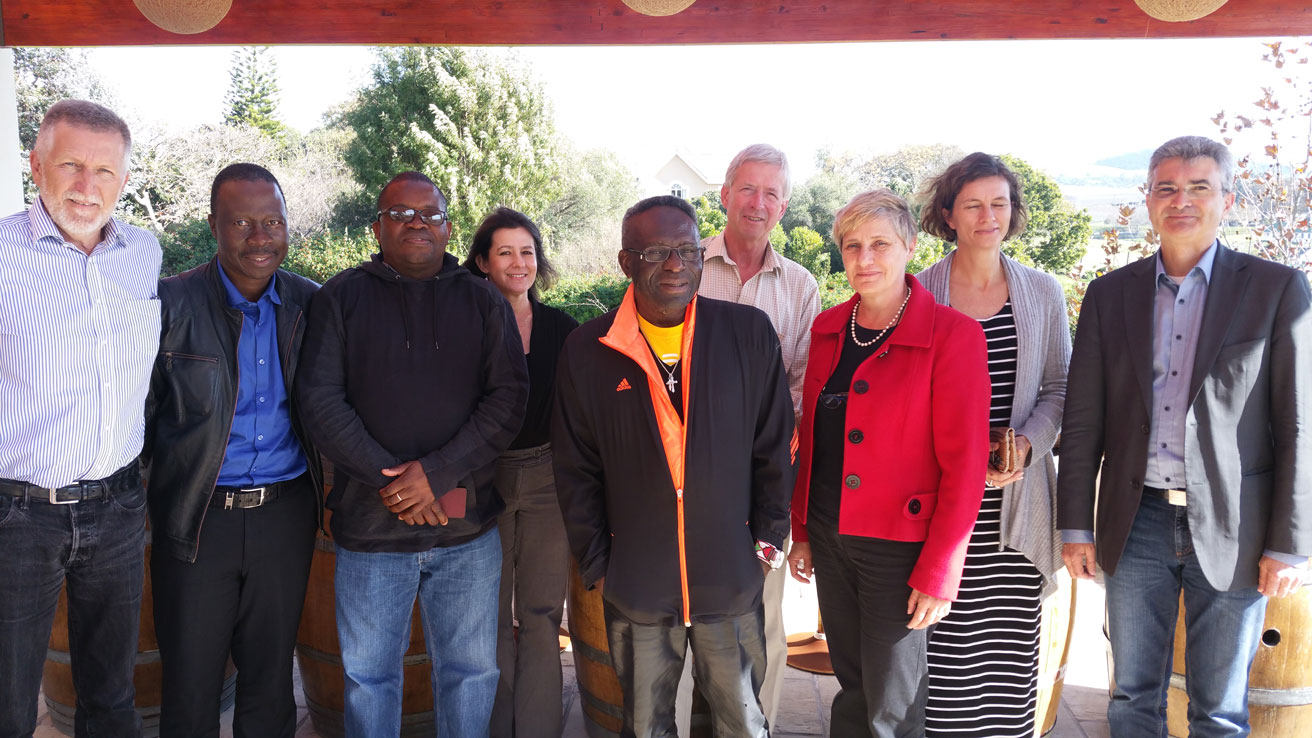
After six weeks, the top six or seven applicants will be identified. Other candidates will return home with a certificate of attendance. The successful fellows will remain for a further four weeks of PhD research protocol development. The successful candidates (fellows) will return home after 10 weeks on-site at UKZN. On-site training will be offered to the cohort annually, with a cumulative nine months spent full-time on-site for thematic workshops and PhD thesis supervision over the five-year programme. Tailored on-site intensive research ethics workshops will also be offered at UKZN in years one to four, based on the thematic focus and the needs of the cohort of fellows, including leadership training, qualitative and quantitative data analysis, grant writing skills, adult education skills, publication skills, presentation skills, mentorship training, REC/IRB management training and media training.
The South African PhD is a research degree without coursework credits, but this SARETI PhD Programme will include intensive “not-for-credit” coursework that SARETI fellows will be contractually required to complete and pass at an appropriate level for doctoral study. Each fellow will have a PhD research supervisor (or two co-supervisors) and a career development mentor, based on the successful NIH-funded UKZN DRILL D43 research leadership programme (see http://drill.org.za/). The fellows will be expected to complete the PhD in four to five years. In year five, candidates will help organise SARETI’s fourth African Health Research Ethics Symposium (AHRES IV), at which they will present keynote papers on their research findings. There will also be structured networking opportunities with leading African and international research ethicists and experts in health research.
SARETI PhD Programme graduates will be able to advance research ethics scholarship relevant to the African continent, such as:
- Improving or initiating training programmes
- Improving ethics review systems
- Securing substantial grants
- Publishing high quality conceptual and applied scholarship that will advance teaching and applied research ethics in Africa and globally
- Advancing the development or adaptation of local ethics guidance and policies